
Seven water uses, each mapped to specific models
Each application below lists the models the 2026 catalog covers for it, taken from the model data rather than from marketing copy. Where a use needs a specific hydraulic setup or a closed loop, the note under the model list says so.
Whole-House Boosting
Constant pressure for every tap and shower in one home, holding steady flow when the family is using water at the same time.
Site Challenge
Mains pressure drops during peak hours, so upstairs taps, showers and water heaters lose flow.
How We Solve It
A permanent magnet VFD booster set holds a steady outlet pressure and runs quietly, sized for a single home rather than a whole block.

Rooftop Tank & Water Tower
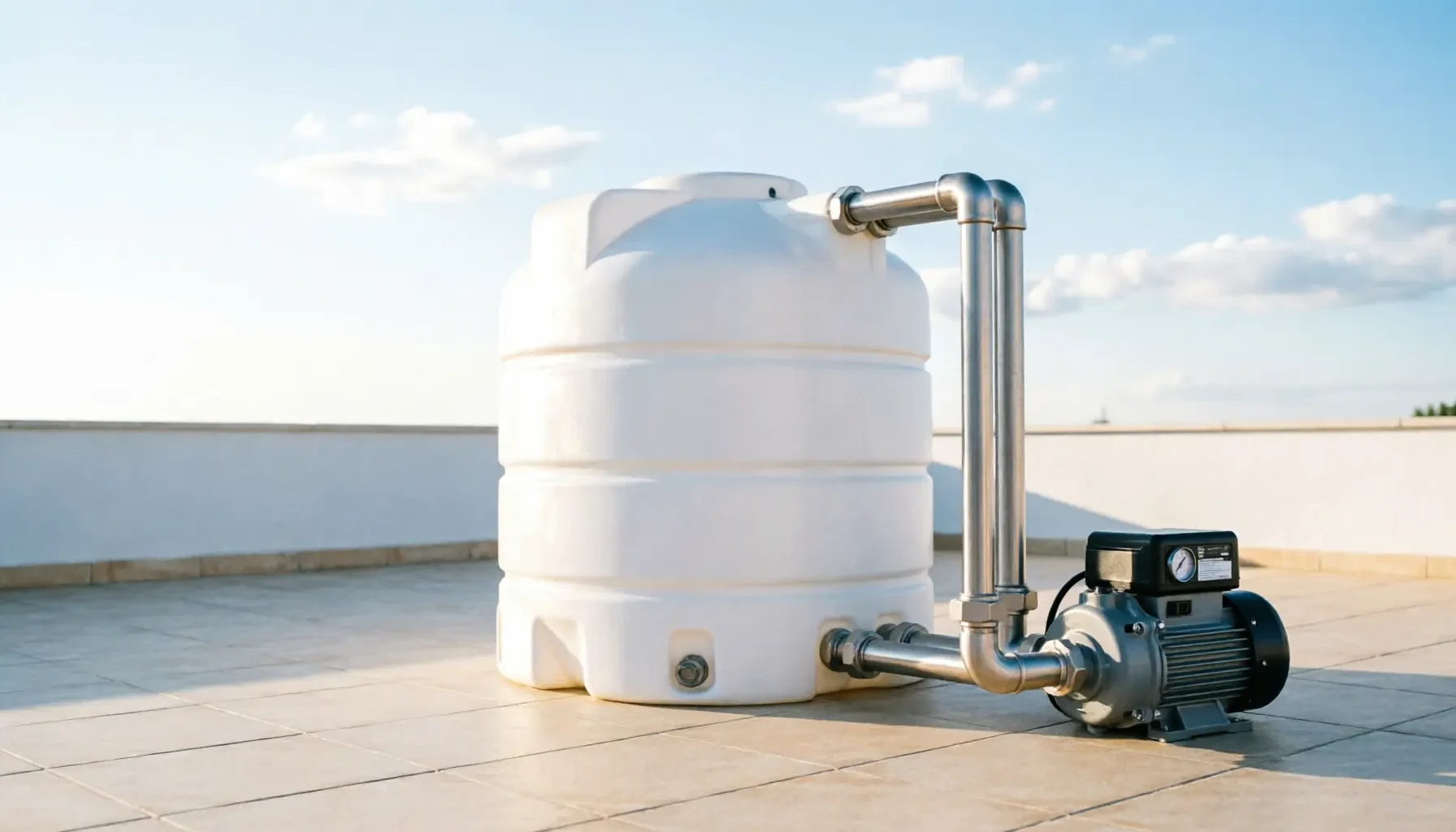
Draws water from a rooftop tank or water tower and re-pressurises the house line, so gravity-fed systems keep full flow on every floor.
Site Challenge
Water stored in a rooftop tank arrives with low pressure, leaving upper rooms, showers and hot water units short of flow.
How We Solve It
A booster set with dry-run protection takes suction from the tank outlet and holds pressure steady as the tank level rises and falls.
Models for this use
Filter the catalog by boosting level, flow, head and application, or send the duty point and the export team will confirm the model.
Villa & Multi-Storey Homes
Multi-point supply for villas and self-built houses with several floors, bathrooms and outdoor taps.
Site Challenge
Tall houses with many outlets need even pressure on every floor, but a full plant room is rarely available.
How We Solve It
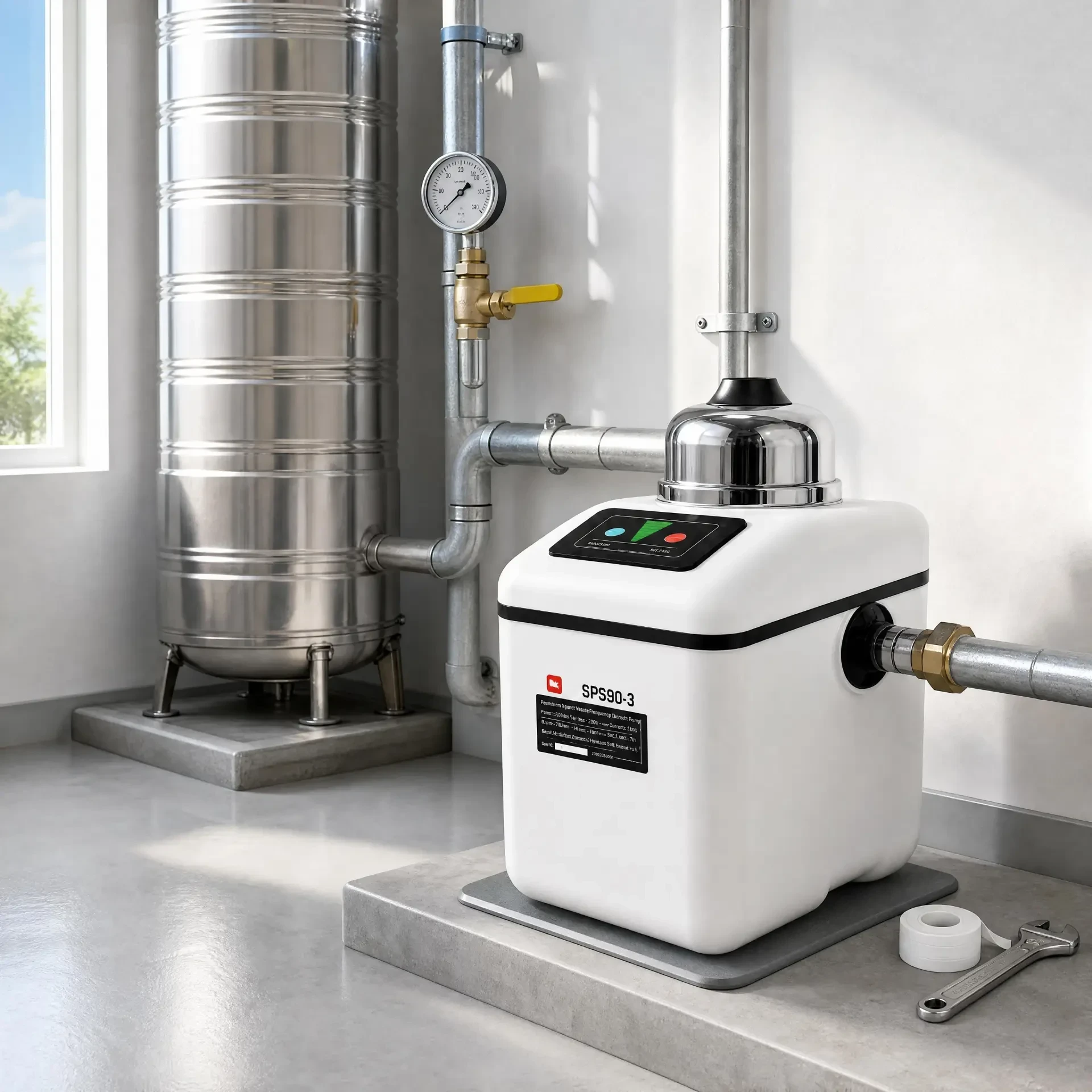
Integrated booster stations with smart VFD control keep pressure constant and fit into a compact utility space or outdoor cabinet.
Models for this use
Filter the catalog by boosting level, flow, head and application, or send the duty point and the export team will confirm the model.

Garden Irrigation
Even pressure for drip lines, sprinkler zones and outdoor taps, even when several zones run together.
Site Challenge
Sprinkler zones lose pressure when mains supply dips during the evening watering window, leaving dry patches.
How We Solve It
Constant pressure control holds each zone at its rated flow, and dry-run protection covers a tank-fed suction line.
Models for this use
Filter the catalog by boosting level, flow, head and application, or send the duty point and the export team will confirm the model.

Pipeline Boosting & Circulation
Inline boosting and circulation for hot water lines, taps and fixtures, and short runs where a compact body has to fit the pipework.
Site Challenge
Long pipe runs and mixed fixtures lose pressure at the outlet, and a full booster set will not fit the available space.
How We Solve It
Pipe-mount and compact multistage boosters raise line pressure close to the point of use, with automatic start and stop on demand.
Models for this use
Filter the catalog by boosting level, flow, head and application, or send the duty point and the export team will confirm the model.
HVAC System
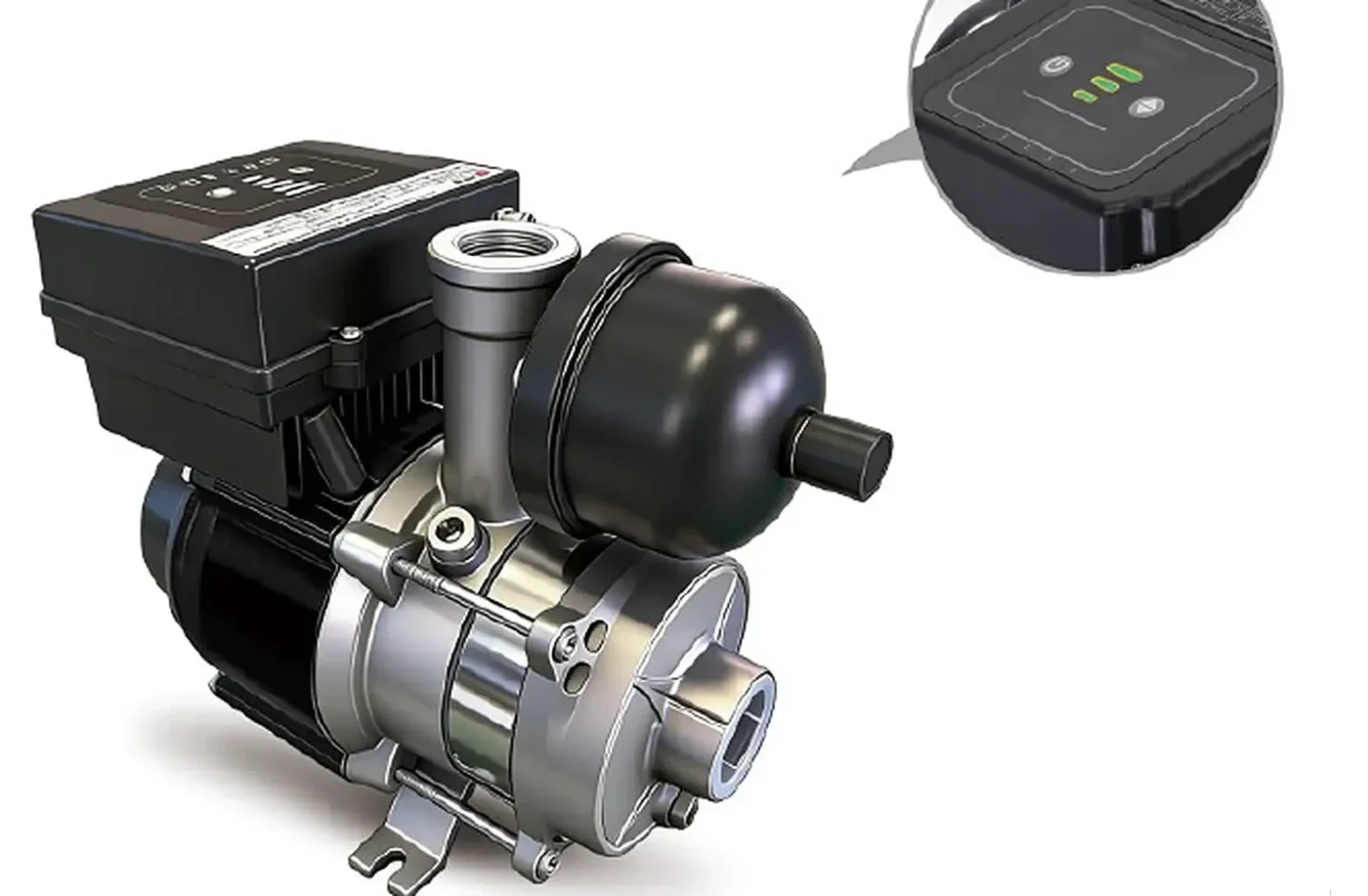
Multistage boosting for closed-loop heating and cooling circuits, with variable speed control matched to changing load.
Site Challenge
Heating and cooling loads change through the day, and fixed-speed boosting wastes energy.
How We Solve It
Inline variable frequency multistage boosters adapt speed to real load in plant rooms and boilers.
Models for this use
Closed circulation systems only.
Filter the catalog by boosting level, flow, head and application, or send the duty point and the export team will confirm the model.
OEM Motors
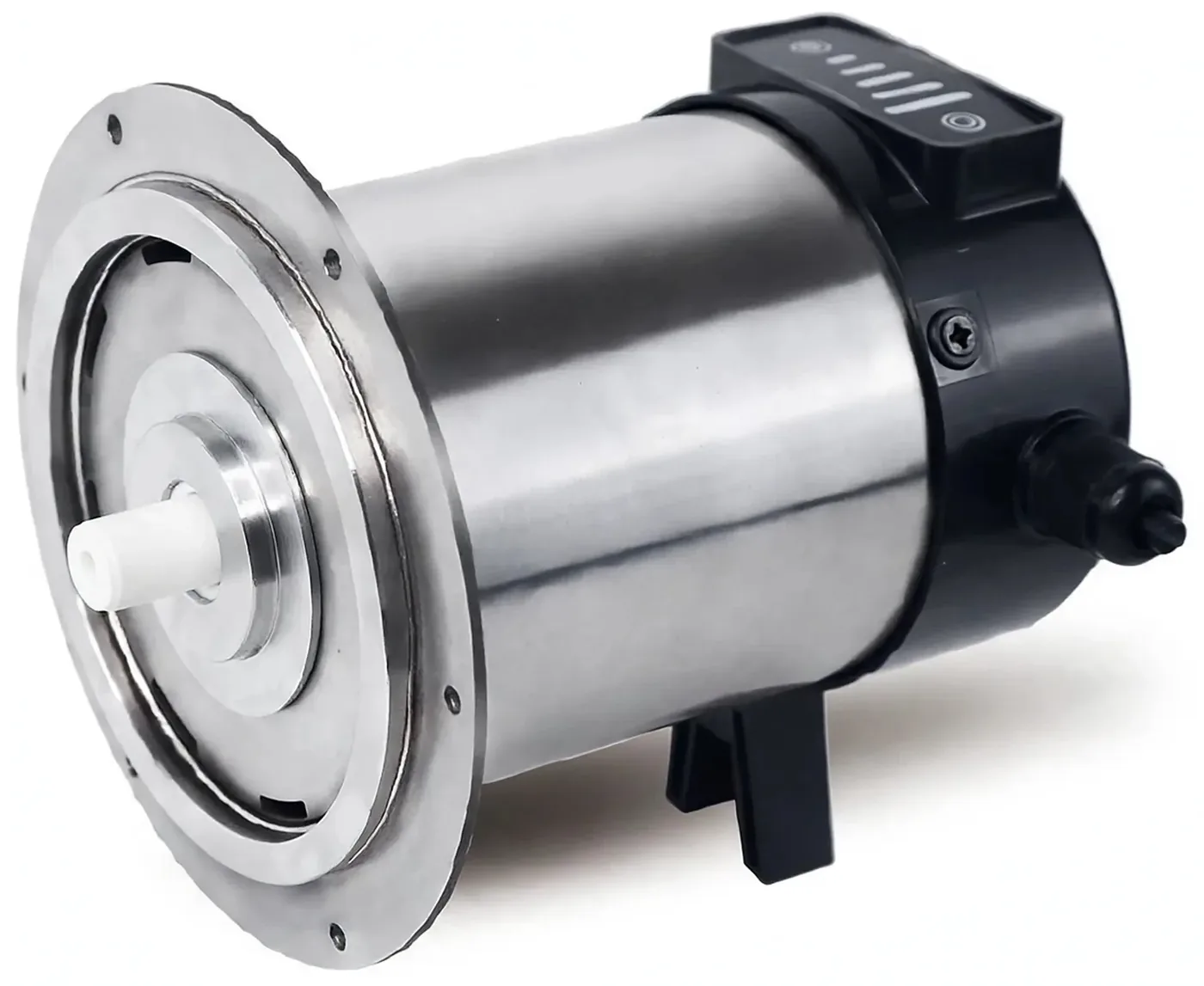
Permanent magnet motors supplied without a pump wet end, for pump manufacturers and OEM / ODM builds that fit their own hydraulic end.
Site Challenge
Pump makers need a matched motor, shaft and control package rather than a complete pump, and the motor has to fit their existing wet end.
How We Solve It
P800 and P1500 motors ship with a standard shaft and locating spigot, five speed shifts set on the panel and internal water cooling, so the builder supplies the hydraulic end and the brand.
Models for this use
Motor only — no pump wet end.
Filter the catalog by boosting level, flow, head and application, or send the duty point and the export team will confirm the model.
Share your duty point and site conditions
For engineering and distribution projects we review flow, head, pipe layout and power supply before confirming a boosting level and a control setting.
Choosing a booster by flow and head
The models listed under each use are the ones the 2026 catalog covers for it. Within that shortlist the choice comes down to two figures: the flow the site must deliver and the head needed at the highest or farthest outlet.
Flow is what the site must deliver with the outlets you expect to run at the same time. Head is the lift, plus pipe friction, plus the pressure the outlet needs. Read both figures off the model tables and you land in one of the boosting levels used as a catalog filter: Level 1 covers up to 45 m head and up to 105 L/min, Level 2 reaches 46 to 60 m head for multi-storey villas, and Level 3 delivers up to 500 L/min for large properties with several outlet groups.
The water source changes the installation rather than the size. A booster fed from a rooftop tank or a cistern works on suction lift, so keep the suction pipe short, fit a strainer and a non-return valve, and use dry-run protection for the moments the tank runs low. A booster on a pressurised mains line works on inlet pressure. Both routes draw on the same model shortlists listed above.
The DC range is the separate pipeline boosting indicator. It covers pipe boosting duty rather than whole-house duty: hot water areas, taps and fixtures, and RV or caravan water lines, with automatic start and stop on a 24 V supply.
Ready to talk specification, voltage and volume?
Send your target market and specs. Our export team will come back with a tailored B2B quotation.
- Sales & Export
- cason@calliopepump.com
- After-sales
- corleone@calliopepump.com
- Head Office
- office@calliopepump.com
- Phone / WhatsApp
- +86 178 0591 6566